We may have been compensated through an experience or products from the links and companies mentioned in this post. Thank you for supporting my small business. Please see my disclaimer for more info.
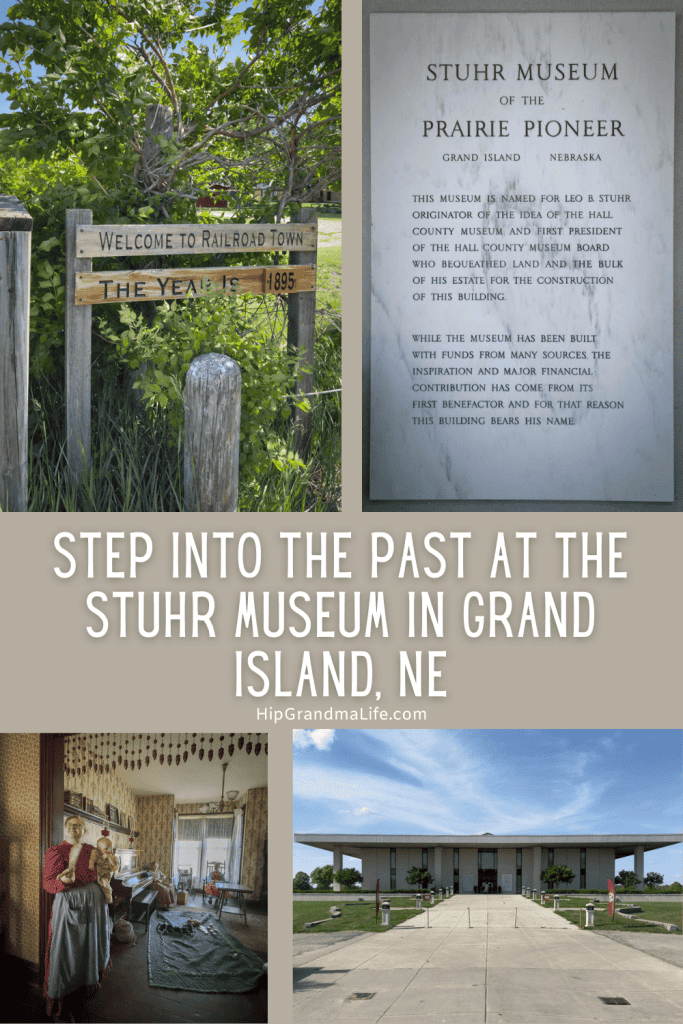
The Stuhr Museum in Grand Island is a history lover’s dream. This leading living history museum showcases the legacy of the pioneers who built communities on the plains of central Nebraska.
On my recent visit, I toured the main building, explored Railroad Town, and even got a behind-the-scenes peek at how artifacts are stored. Whether you’re a solo traveler over 50 or just into quirky museums, this dynamic living history experience is well worth a stop.
Table of Contents
Want to make the most of your next museum visit? Download my free printable travel journal to keep track of your favorite stops, quirky moments, and can’t-miss details.
What Is the Stuhr Museum in Grand Island?
Let’s start with the basics: What is this place, and why is a town in land-locked Nebraska called “Grand Island?”
Grand Island sits in south-central Nebraska and got its name from a long, narrow stretch of land between the Platte and Wood Rivers. Early French explorers named it “La Grande Île,” which translates to, you guessed it, Grand Island.
The museum is named after Leo Stuhr, the son of Peter Stuhr, one of the 32 German immigrants who founded one of the area’s first communities. This strong German cultural flavor still lingers throughout town, especially at historic spots like Hargis House and Stolley Park, as well as Liederkranz, a landmark German social club founded in 1870.
The Stuhr Museum Foundation honors those tough-as-nails pioneers with immersive experiences that go beyond dusty display cases. They farmed, built homes from sod, and raised families in harsh conditions. And let me tell you, I would’ve tapped out at “dig a garden with hand tools.” But these survivors made it all happen.
The Stuhr Museum celebrates the legacy of German immigrants like Peter Stuhr who helped form the area’s first communities. If you’ve ever wondered where your own people came from, this might just inspire you to dig into your own roots. I use Ancestry (use this link to get 30% off with your AARP membership) to trace my family’s path—it’s surprisingly addictive (and yes, it explains a lot about my love for stubborn prairie folks).
Railroad Town: Living History Brought to Life
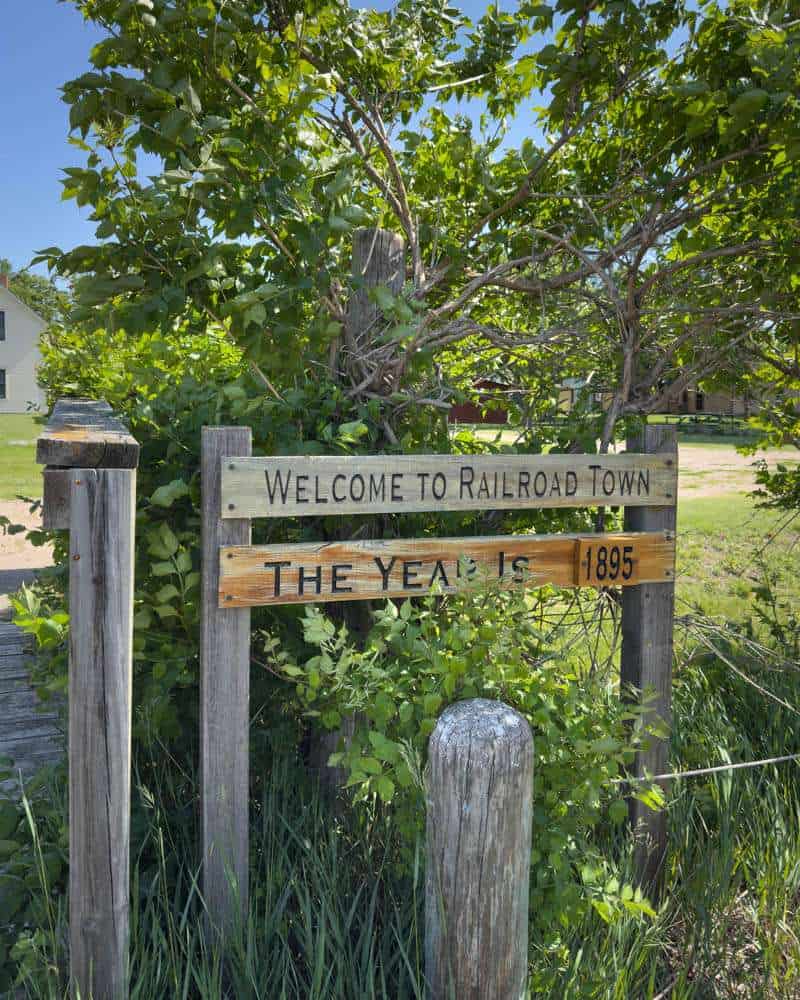
First, I explored Railroad Town, a recreation of a late 19th-century prairie village. With over 60 original period structures, including homes, shops, a church, and even a café, this place is no small feat. These aren’t just facades. They’re the real deal, some relocated and some reconstructed, to match historic blueprints.
As I strolled the dirt roads, the wind rustled the leaves, and I could picture myself in a hoop skirt dodging horse-drawn wagons. Costumed interpreters and student apprentices bring the town to life, making it feel like you’ve time-traveled without needing a DeLorean.
In the summer months, Stuhr offers educational programs that teach about our pioneer history. Students up to fifth grade can participate in the Summer Adventure program. Then, once they’ve finished fifth grade, they can move up to the Living History Apprentice Program.
This program continues to expand their knowledge, and they also learn how to share it with visitors. These programs turn learners into storytellers who help preserve the legacy of the pioneers. If you’re an educator, this place is a dream for field trips—hands-on, engaging, and memorable.
The Henry Fonda House
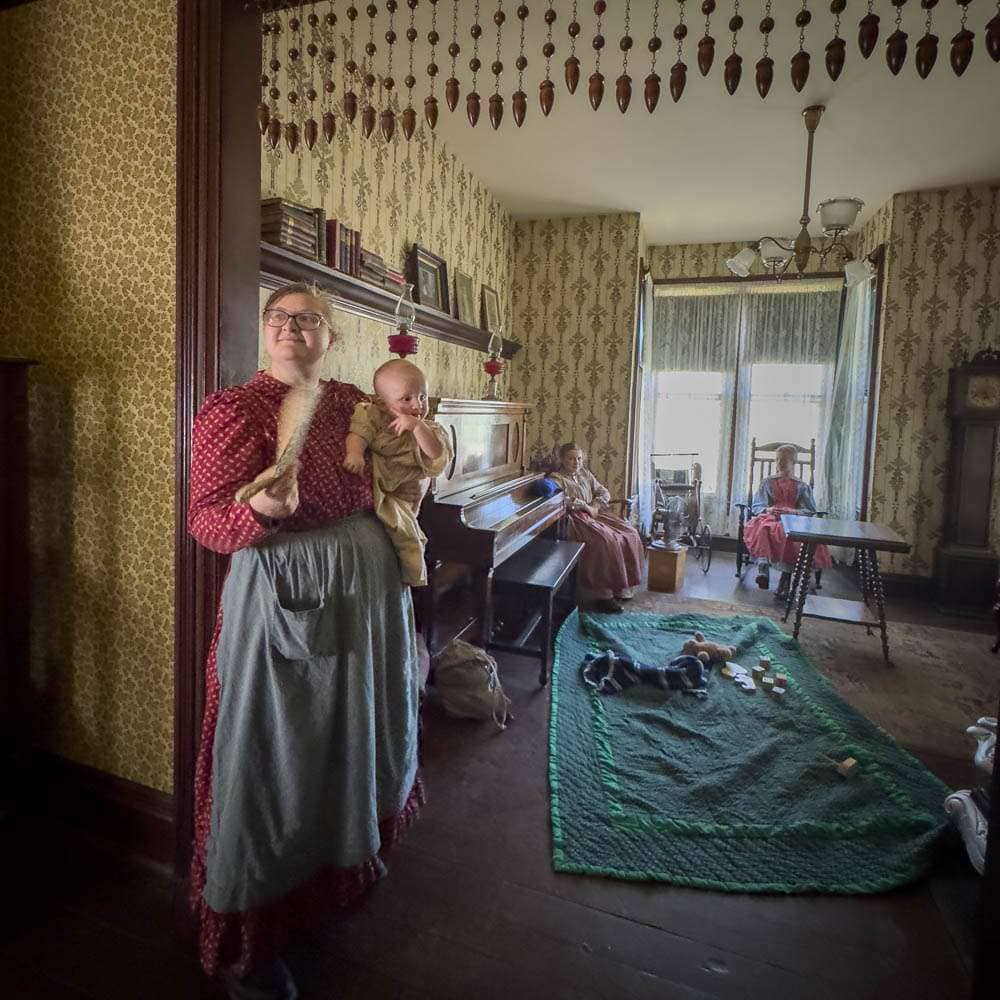
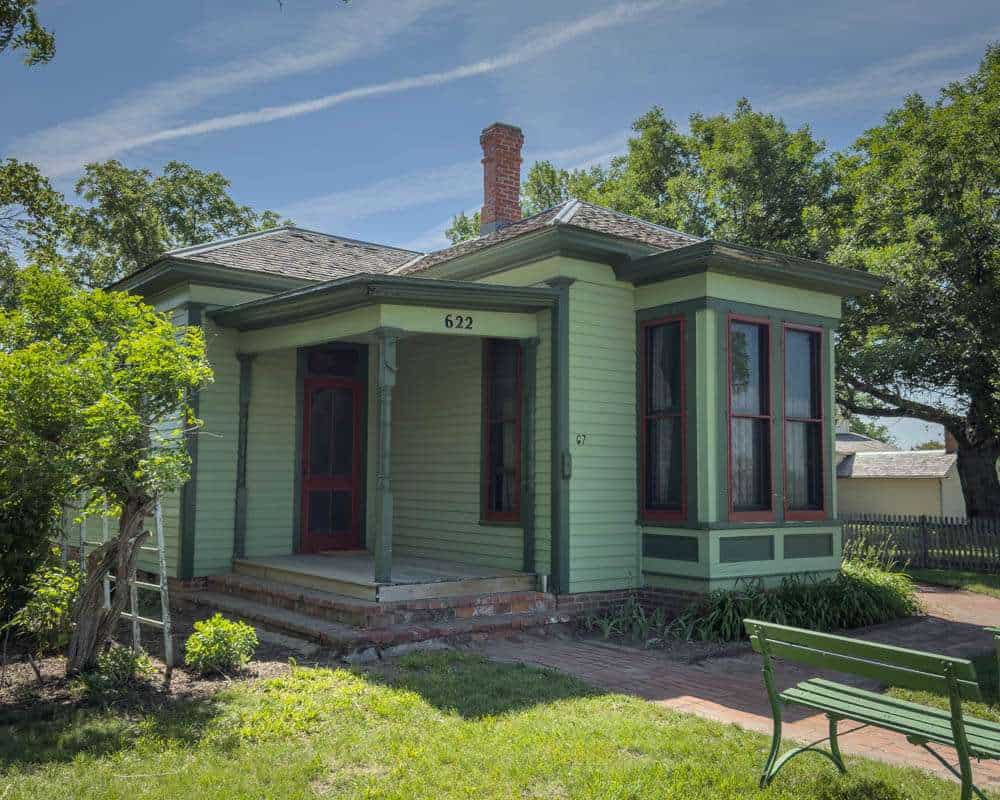
One of my favorite stops? The Henry Fonda House—yep, that Henry Fonda. The Oscar-winning actor was born here in 1905. He only lived in the house for nine months, but in 1966, he personally helped relocate and restore it in Railroad Town.
And standing in that home? Whew. Let’s just say it gave me goosebumps. I imagined his mother holding him, dreaming of his future, not knowing what a star he’d become. It’s a special kind of magic when you can feel history in your bones.
Don’t forget to grab my free printable travel journal to jot down the small details like these that make your big adventures unforgettable.
Inside the Stuhr Museum: Exhibits That Tell Nebraska’s Story
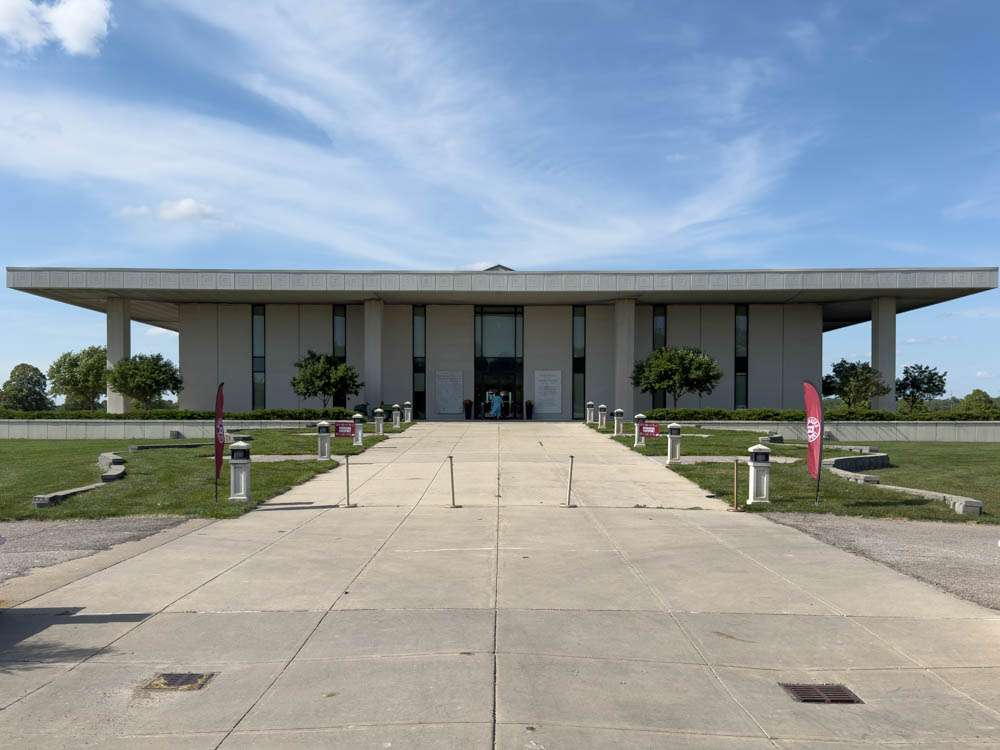
Let’s talk about the Stuhr Building—the museum’s centerpiece. Renowned architect Edward Durell Stone designed this striking structure, the same genius behind the Kennedy Center in D.C. Built in 1963, its modern architecture and surrounding water give it an almost ethereal glow. No wonder it’s listed on the National Register of Historic Places.
The interior features exhibits, an art gallery, a gift shop, and, during my visit, even a delightful pie contest (thank you, special events team!).
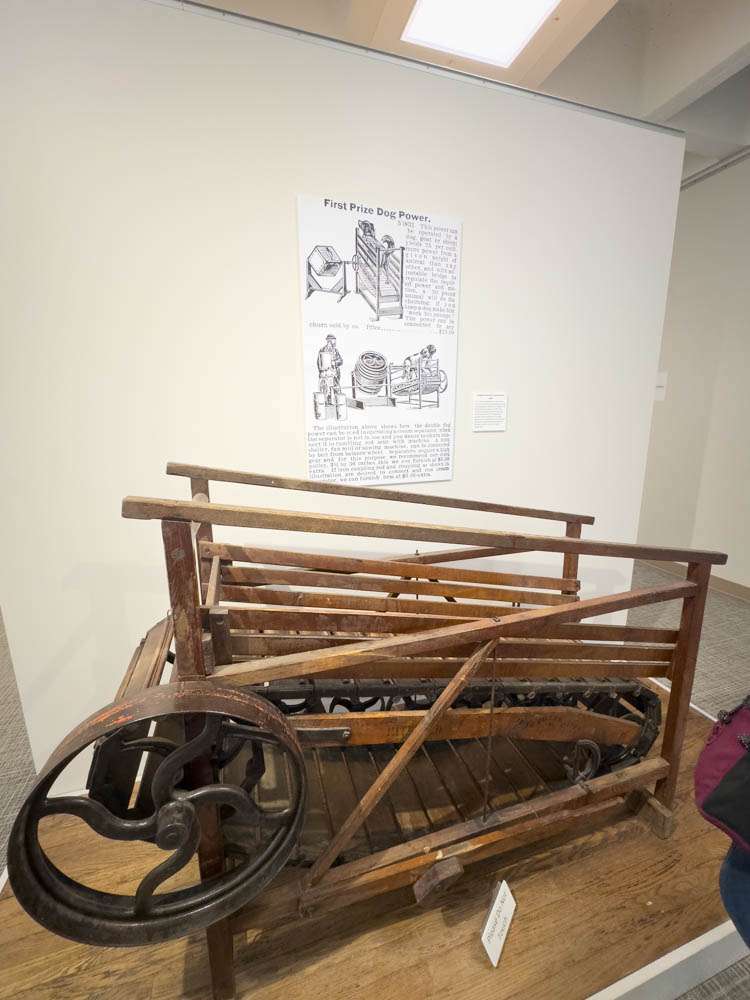
One exhibit showed how early settlers utilized animal-powered treadmills to run tools like corn shellers and cream separators. Some folks on my tour felt bad for the goats and dogs that did the work, but I had a flashback to my childhood dog who lived outside and ate leftovers. Today’s pets? They sleep on memory foam and eat better than I do.
The Notorious Dr. Flippin
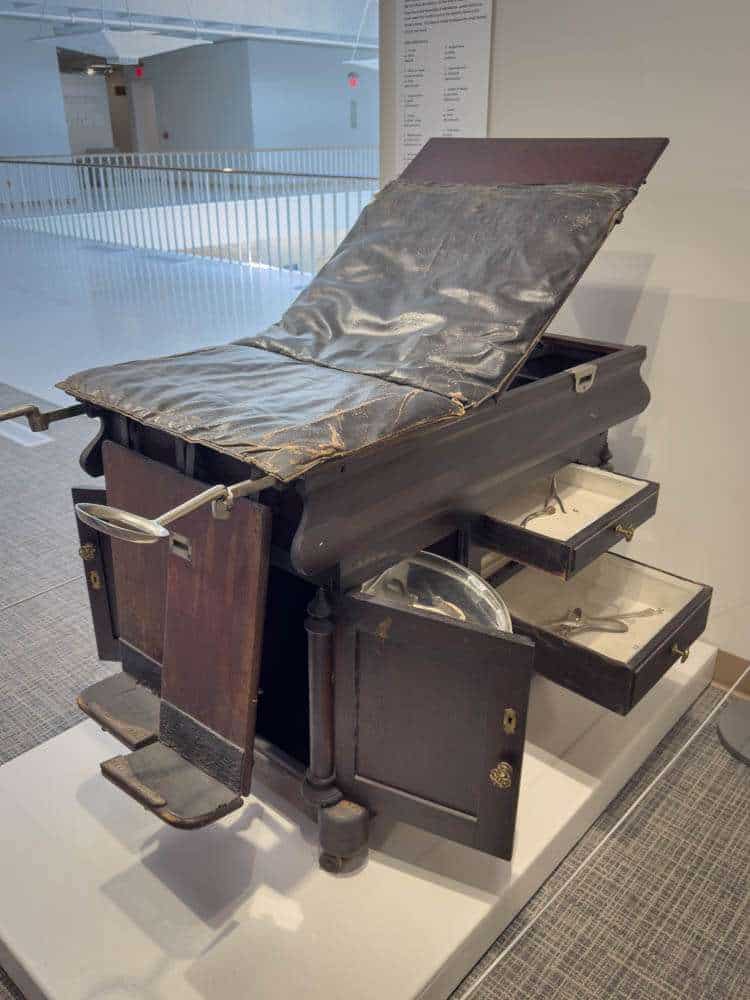
This early 20th-century character deserves a headline. A Black physician, Dr. Flippin provided abortions (legal at the time) and stirred up the prairie gossip mill by marrying a 17-year-old white woman at age 65. That marriage didn’t last, but his legacy, and fifth wife, sure did.
Some of his old medical tools are on display along with a vintage OB table, complete with stirrups. Seeing his office setup from over 100 years ago made me extra grateful for modern medicine. Those OB tools? Yikes.
Behind the Scenes: Where the Artifacts Rest
My inner five-year-old (the one who took apart all her toys and undressed her dolls to see how they were made) was thrilled to peek behind the curtain of museum life.
A Vault of Memories: The Reynolds Center
Our first stop was the Edgar and Frances Reynolds Center, where volunteers were hard at work cleaning and organizing some of the 28,000 glass plate negatives from local Grand Island photographer Julius Leschinsky. His portraits from the late 19th and early 20th centuries are being preserved one by one. Cleaned, scanned, and archived. This is an incredible feat of patience and dedication. Aren’t volunteers amazing!?
Oh—and I spotted the “Salvage – Take Me First” stickers on many of the boxes in storage, because even historians need to know what to grab first if the building catches fire! The best news here is that you, too, can arrange a behind the scenes tour with a call to the Stuhr.

Hidden Treasures: The Artifact Warehouse
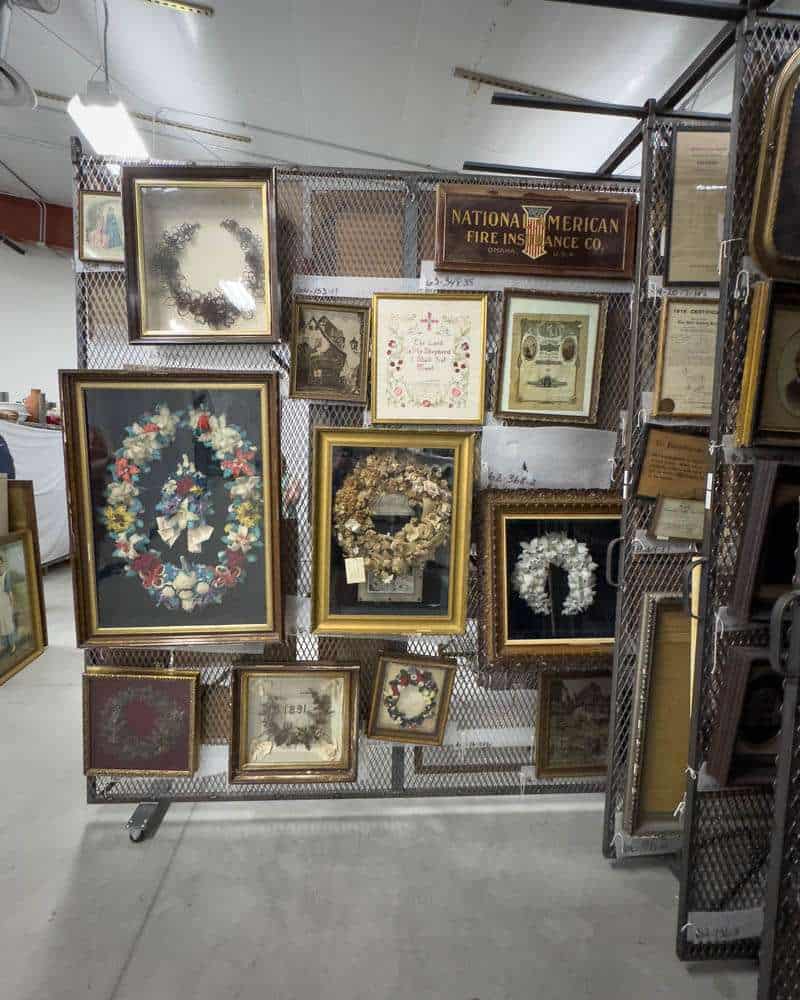
Our next stop was to a nondescript building tucked away on the side of the property, where we wandered the aisles, marveling at the many historical items used in both railroad city and on display in the museum. We saw items such as trunks, sewing machines, wheelchairs, household furnishings, cash registers, musical instruments, medical equipment, military uniforms, and enough oddities to make your grandma’s attic jealous. About the only things I didn’t see were antique automobiles!
My favorites? Victorian hair art (it’s a thing! I promise!) and the over 400 hand-stitched quilts, carefully cataloged with their individual stories and rotated to preserve the fabric. (Maybe they’ll help me organize my own closets. Or not. That’s future-me’s problem.)
Practical Tips for Visiting the Stuhr Museum in Grand Island
- When to Go: Open year-round. Late spring or early fall offers the best mix of weather and smaller crowds.
- Special Events: Don’t miss “Christmas Past and Present” in December or summer fairs with interpreters.
- Accessibility: The main building is fully accessible. Railroad Town has gravel roads and uneven paths—tough for wheelchairs but doable with good shoes. The historic houses are largely inaccessible to wheelchairs.
- What to Bring: A water bottle, sunscreen and/or a sun hat, a light sweatshirt, and comfortable walking shoes. I love my 7 Degrees hoodie and my Baggallini crossbody bag for trips like this.
- More Info: Plan your visit at stuhrmuseum.org.
Need a Place to Stay in Grand Island?
Final Thoughts: Why the Stuhr Museum Belongs on Your Road Trip
This visit was part of a group trip during the annual Midwest Travel Network Conference, but I’m already looking forward to a return visit, this time solo. I love digging into the plaques, chatting with costumed interpreters, and letting my curiosity lead the way.
If you’ve never traveled alone, the Stuhr Museum in Grand Island is a perfect place to start. There’s always someone to talk to, always something new to discover, and always a way to connect the past to your present.
More to Explore Nearby Grand Island
- Hargis House: Tour this stately home run by the Grand Island Women’s Club. Check their Facebook page for upcoming events.
- Stolley Park: Home of one of the region’s first communities, and a peaceful place to learn more about early Nebraska settlers.
Ready for more history, humor, and heart? Don’t forget your free printable travel journal before hitting the road!
If you liked this article, you will probably like these, too!
- Things to Do in Kearney NE: 8 Stops That Show the Heart of the Heartland
- Step Into the Past at the Stuhr Museum in Grand Island, NE
Pin it for later!